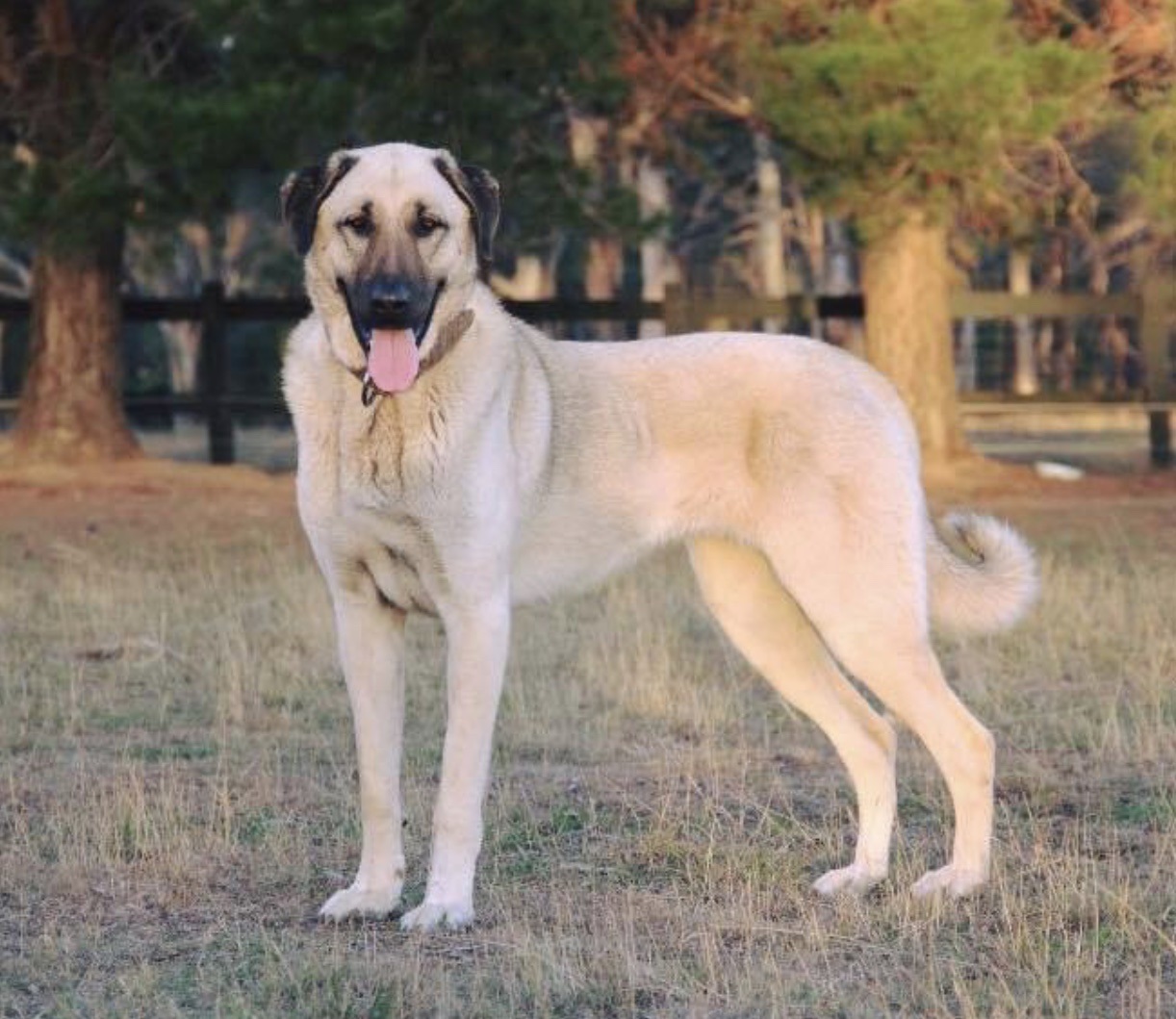
The Kangal Dog: Unveiling the Turkish Shepherd's Guardian Spirit
In the vast, ancient landscapes of Turkey, a breed of dog has stood sentinel for centuries, embodying strength, loyalty, and an unwavering protective spirit. This magnificent creature is the Kangal Hund, also widely known as the Turkish Shepherd Dog. With its imposing presence and unique capabilities as a livestock guardian, the Kangal Dog has garnered recognition and admiration far beyond its Anatolian homeland. For those fascinated by powerful, intelligent working breeds, delving into the world of the Kangal reveals a profound connection to tradition and an extraordinary canine companion.
A Legacy Forged in Anatolia: The Origins of the Kangal Hund
The story of the Kangal Dog begins in the heart of Turkey, specifically in the town of Kangal within the Sivas province. It is from this region that the breed derives its name and its deep roots. For hundreds of years, these dogs have been indispensable allies to shepherds, diligently guarding vast herds of sheep and goats against formidable predators such as wolves, bears, and jackals. Their primary role has never been to herd, but rather to deter and protect, a distinction crucial to understanding their inherent nature.
While the precise evolutionary timeline remains somewhat shrouded in the mists of history, it is widely believed that the Kangal Hund descended from the ancient molossoid dogs that have inhabited this region for millennia. These robust, powerful canines were valued as working dogs across various ancient civilizations. The Kangal’s lineage speaks to a continuous line of dedicated guardians, carefully bred and selected over generations for their protective instincts, resilience, and imposing physique. This historical context isn't just a footnote; it's the very foundation of the Kangal's remarkable temperament and capabilities, shaping them into the formidable protectors they are today.
Physical Characteristics: A Stately and Powerful Presence
The Kangal Dog is unequivocally a large and powerfully built breed, designed by centuries of function to command respect and deter threats. Their physical attributes are a testament to their demanding role:
- Size: Male Kangals typically stand an impressive 72 to 81 cm (28-32 inches) at the shoulder, weighing between 50 to 63 kg (110-139 lbs). Females are slightly smaller, reaching 65 to 76 cm (25-30 inches) and weighing 41 to 59 kg (90-130 lbs). Their substantial size is a key component of their deterrent power.
- Build: Their bodies are muscular, well-proportioned, and athletic, providing them with immense strength, agility, and stamina. This allows them to patrol large territories and engage effectively when necessary.
- Coat: One of the most distinctive features is their short, dense double coat. This protective layer is perfectly adapted to the harsh Turkish climate, offering insulation against extreme cold and heat. The color ranges from a light fawn or tan to a light grey, often with a subtle shading across the body.
- Mask: Many Kangals exhibit a striking black mask covering their muzzle, which often extends around the eyes, adding to their intense and serious expression. This "karabaş" (blackhead) feature is highly prized within the breed.
- Head and Features: Their head is broad and strong, with almond-shaped, dark brown eyes that convey intelligence and alertness. The ears are medium-sized, V-shaped, and typically hang flat against the sides of the head.
Every aspect of the Kangal Hund's physique speaks to its purpose: a robust, hardy guardian capable of enduring challenging conditions and confronting danger head-on. This blend of power and endurance makes them an unmistakable figure wherever they are.
Temperament and Guardian Instincts: A Gentle Giant with a Fierce Heart
The temperament of the Kangal Dog is a fascinating paradox: while undeniably powerful and possessing an intimidating presence, they are renowned for their calm, loyal, and gentle nature towards their own families. This breed forms an incredibly strong bond with its owners, developing an almost parental protectiveness. Despite their imposing size, Kangals are often remarkably good-natured and patient with children, earning them the affectionate title of "gentle giants."
However, beneath this serene demeanor lies a profound and innate guardian instinct. The Kangal Hund is an exceptional protector of its family and territory. They are intelligent, fearless, and possess a keen awareness of their surroundings. Their primary mode of protection is deterrence; they prefer to warn off potential threats with their presence and deep bark rather than engaging in direct confrontation. Should a threat persist, however, a Kangal will not hesitate to defend its charges with unwavering determination.
This powerful protective drive necessitates responsible ownership. Early and consistent socialization is paramount to ensure a well-adjusted Kangal. Exposing puppies to a variety of people, environments, and other animals from a young age helps them learn to discern between friend and foe, channeling their instincts appropriately. Coupled with consistent, positive reinforcement training, this forms the bedrock of a harmonious relationship with this magnificent breed. For a deeper dive into their unique characteristics, you might find Kangal Dog Profile: Mighty Guardian and Gentle Giant from Turkey to be an insightful read.
Living with a Kangal Hund: Commitment, Space, and Understanding
Owning a Kangal Hund is a significant commitment that requires an understanding of their specific needs and instincts. They are not a breed for novice owners or those living in urban apartments. Their large size, energetic nature, and strong protective drive dictate particular lifestyle requirements:
- Space and Environment: Kangals thrive in environments where they have ample space to roam and patrol. A large, securely fenced yard is not just beneficial but essential. Their instinct to guard means they need boundaries, and a fence ensures their safety and prevents them from wandering. Rural or semi-rural settings are often ideal, providing the mental stimulation of diverse scents and sounds.
- Exercise Requirements: Despite their immense strength, Kangals are not typically hyperactive. However, they do require regular physical activity to satisfy their natural instincts and maintain their muscular condition. Daily walks, opportunities to run in a safe, enclosed area, and engaging playtime are vital. Mental stimulation, such as puzzle toys or training sessions, is equally important to keep their intelligent minds active.
- Training and Socialization: As mentioned, early and ongoing socialization is critical. A Kangal puppy should be exposed to various sights, sounds, people, and friendly dogs from a young age. Training must be consistent, firm, and based on positive reinforcement. Given their independent nature (a trait honed by centuries of working without direct human command), patience and understanding are key. They respond best to fair leadership and clear expectations. If you're considering bringing one of these protectors into your home, our article Owning a Kangal: Training, Space, and the Loyal Protector's Needs offers practical advice.
- Grooming: The Kangal's short, dense coat is relatively low maintenance. Regular brushing, especially during shedding seasons, helps remove loose hair and keep their skin healthy. Routine ear checks and cleaning are important to prevent infections, as are nail trims and dental hygiene.
- Diet and Health: Due to their large size, Kangals require a high-quality diet formulated for large breeds, supporting their bone and joint health. Like many large breeds, they can be prone to certain orthopedic issues such as hip and elbow dysplasia, so responsible breeding practices and regular veterinary check-ups are crucial throughout their lives.
The Kangal Hund in the Modern World: Beyond the Pasture
While the primary role of the Kangal Hund remains as a livestock guardian in Turkey and increasingly around the world, their adaptability has seen them embrace new roles. In countries facing issues with predator conflict, Kangals are deployed to protect livestock, often as a non-lethal deterrent, helping to conserve both livestock and endangered wildlife populations. Beyond their working duties, they have also found loving homes as dedicated companions and family guardians for those who understand and can meet their unique needs. Their calm nature, combined with their unwavering loyalty, makes them a profoundly rewarding addition to the right family.
Conclusion
The Kangal Hund is more than just a dog; it is a living symbol of Anatolian heritage and a testament to the enduring bond between humans and working animals. With its majestic appearance, inherent guardian instincts, and surprisingly gentle demeanor towards its family, the Kangal Dog offers a unique blend of strength and companionship. While demanding a significant commitment from its owners in terms of space, training, and understanding, the reward is an unparalleled loyalty and a guardian spirit that will stand by your side, always watchful, always devoted. For those prepared to embrace the full scope of responsibility, the Kangal Hund truly embodies the noble spirit of the Turkish shepherd's guardian.