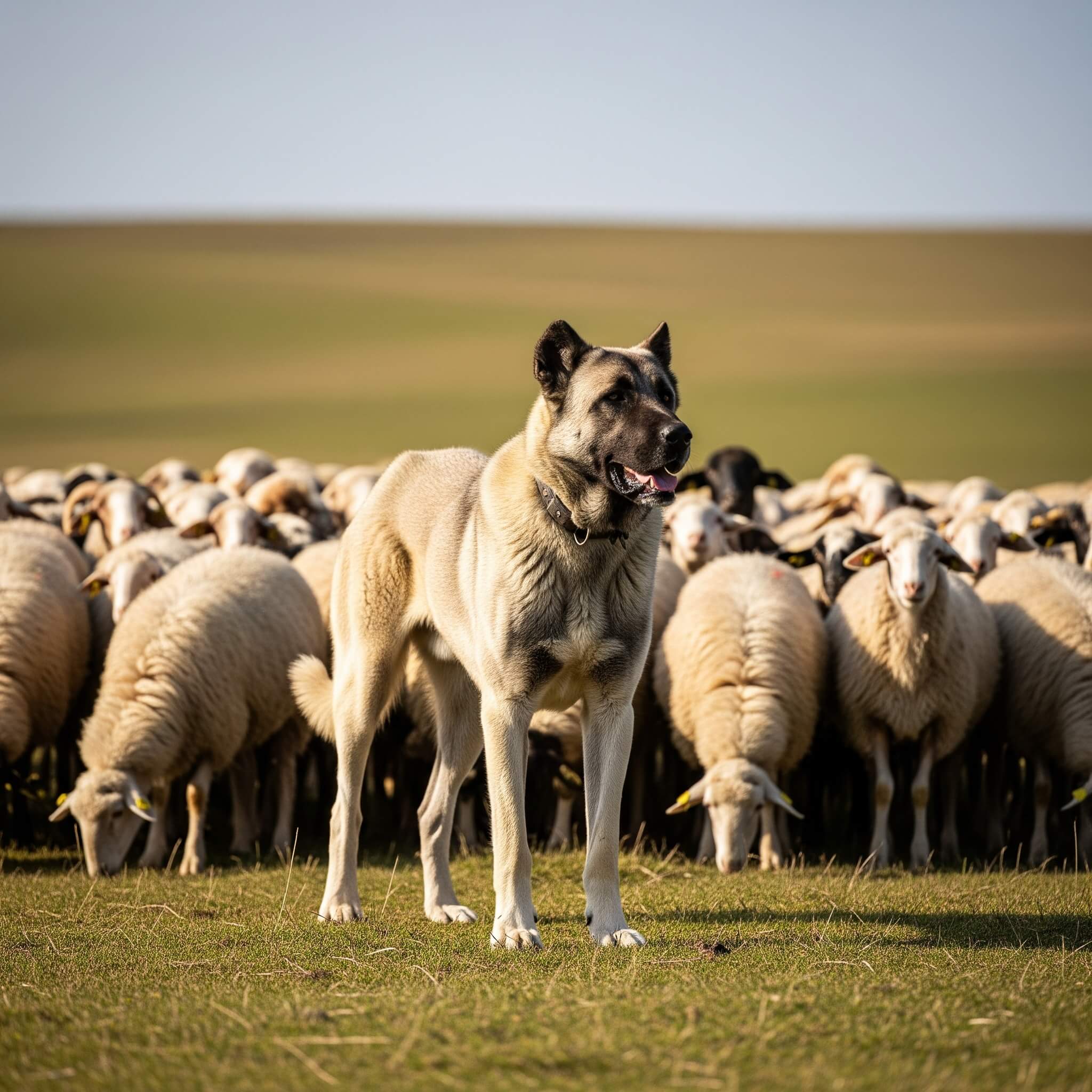
The Majestic Kangal Hund: A Legacy of Protection
The Kangal Hund, often referred to as the Turkish Shepherd Dog, is a breed steeped in history, originating from the rugged landscapes of Turkey, specifically the Sivas province and the city of Kangal it is named after. For centuries, these impressive canines have served as unwavering protectors of livestock, developing a reputation for their immense strength, unwavering loyalty, and formidable guardian instincts. More than just a large dog, the Kangal embodies a legacy of dedicated service, a heritage that profoundly shapes its needs and makes ownership a unique, demanding, yet deeply rewarding experience.
Physically, the Kangal Hund is nothing short of magnificent. They are a powerful, well-proportioned breed, with males typically standing between 72 to 81 cm at the shoulder and weighing 50 to 63 kg. Females are slightly smaller but equally robust, ranging from 65 to 76 cm and 41 to 59 kg. Their muscular build speaks volumes about their endurance and capability in their ancestral role. A defining characteristic is their dense, short coat, which provides excellent protection against the elements, typically ranging in color from light yellow to light grey. Many possess a distinctive black mask, adding to their striking appearance. With almond-shaped dark brown eyes and medium-sized V-shaped ears, the Kangal possesses an alert yet often calm expression.
While their imposing presence might suggest an aggressive nature, the true Kangal temperament is quite the opposite. They are renowned for being incredibly loyal, developing an unbreakable bond with their human families. Surprisingly gentle and patient, especially with children, they are known as "gentle giants" within their family circle. However, this inherent gentleness coexists with a profound protective instinct. The Kangal Hund is an alert and fearless guardian, ready to defend its family and territory with unwavering resolve against perceived threats. This dual nature—affectionate companion and formidable protector—is at the heart of what makes owning a Kangal such a profound responsibility.
For a deeper dive into their origins and defining characteristics, explore The Kangal Dog: Unveiling the Turkish Shepherd's Guardian Spirit.
Training Your Kangal: Nurturing the Guardian Within
Due to their powerful protective instincts and inherent independence, training a Kangal Hund is not merely a suggestion but an absolute necessity. From the moment you bring a Kangal puppy home, consistent, firm, and fair training, coupled with extensive socialization, is paramount. This breed's intelligence and strong will mean they require an experienced handler who understands canine behavior, particularly the nuances of a livestock guardian dog.
The Importance of Early Socialization
Socialization is arguably the most critical component of raising a well-adjusted Kangal. A Kangal puppy needs exposure to a wide variety of sights, sounds, people, and other animals from an early age. This doesn't mean allowing them to interact freely with every dog they meet, but rather teaching them to be calm and observant in different environments. Controlled and positive introductions to various people, from children to adults, will help them distinguish between welcomed guests and potential threats, preventing unwarranted aggression or fear. Without proper socialization, their natural guarding tendencies can become problematic, leading to fear-based aggression or overprotectiveness.
Consistent, Positive Reinforcement Training
Kangal Hunden respond best to positive reinforcement methods. Harsh corrections or punishment can damage their trust and lead to resentment or fear, which is counterproductive for a dog of their size and protective nature. Focus on rewarding desired behaviors with treats, praise, or toys. Short, consistent training sessions several times a day are more effective than long, infrequent ones. Key commands like "sit," "stay," "come," and especially "leave it" and "drop it" are vital for safety and control. Leash training is also non-negotiable from a young age, as an adult Kangal pulling on a leash can be incredibly difficult to manage.
Understanding Their Independent Nature
Kangal Hunden were bred to work independently, making decisions to protect their flock without constant human direction. This means they are not typically a breed that lives to please their owner in the same way a retriever might. They are intelligent problem-solvers, but this can manifest as stubbornness if they don't see the point of a command. Patience and understanding are crucial. Your goal isn't to break their spirit but to channel their natural instincts into appropriate behaviors. Establish yourself as a calm, confident leader they can trust and respect, rather than one they fear.
Space and Environment: Providing the Right Home for a Kangal
Given their size, power, and innate need to patrol, a Kangal Hund thrives in an environment that caters to their physical and mental requirements. They are not suited for apartment living or homes with small yards.
The Need for Secure Outdoor Space
A large, securely fenced yard or property is essential. "Securely fenced" means more than just a typical suburban fence; Kangals are athletic and intelligent. Fencing should be at least 6 feet high, ideally higher, and ideally made of sturdy materials like chain link or solid wood. They are also known for their digging abilities, so burying the fence line or adding a footer can prevent escapes. This outdoor space provides them with room to patrol, observe their surroundings, and expend energy naturally. However, a yard is not a substitute for walks and interaction; it's merely an extension of their living space.
Indoor Living and Family Integration
Despite their need for outdoor space, Kangals are not dogs that should be relegated to living outdoors 24/7. They crave companionship and thrive as part of the family. They need to be integrated into household life to strengthen their bond with their owners and to feel like they are truly guarding "their flock" (i.e., your family). Indoors, they are often surprisingly calm and relaxed, enjoying a comfortable spot to observe the household. However, their size means they need ample room to move around without knocking things over, and a large, comfortable dog bed is a must.
Beyond the Basics: Meeting All Your Kangal's Needs
Owning a Kangal Hund is a significant, long-term commitment that extends far beyond just training and providing space. It encompasses their physical health, mental well-being, and social needs.
Exercise and Mental Stimulation
While Kangals have bursts of energy, they are not typically high-intensity dogs in the same way a Border Collie might be. Their exercise needs lean more towards long, steady walks or opportunities for free-roaming in a secure area. Aim for at least 60-90 minutes of dedicated exercise daily, which could include a brisk walk, hiking, or supervised playtime in a large, fenced area. Mental stimulation is equally crucial. Puzzle toys, scent work, and continued training sessions help keep their intelligent minds engaged and prevent boredom, which can lead to destructive behaviors.
Nutritional and Healthcare Considerations
As a large breed, Kangals have specific dietary needs. A high-quality large-breed dog food formulated for their age and activity level is essential to support proper growth and maintain their muscular physique. Pay attention to ingredients that support joint health, especially during their rapid growth phases. Regular veterinary check-ups are vital, as large breeds can be prone to conditions such as hip and elbow dysplasia and bloat. A responsible owner will budget for these potential health costs, ensuring their Kangal receives the best possible care throughout its 10-13 year lifespan.
To learn more about the breed's general profile and care, read Kangal Dog Profile: Mighty Guardian and Gentle Giant from Turkey.
Grooming and General Care
Despite their dense coat, Kangals are relatively low-maintenance in terms of grooming. Their short, thick fur requires regular brushing, especially during shedding seasons, to remove loose hair and keep their skin healthy. Beyond that, routine care includes regular ear cleaning to prevent infections, nail trims to keep paws healthy, and dental hygiene. It's important to start these grooming routines early so your Kangal becomes accustomed to them.
Conclusion
Owning a Kangal Hund is undoubtedly a demanding endeavor, requiring significant time, commitment, and a deep understanding of this magnificent breed. Their need for extensive training, early and consistent socialization, ample secure space, and ongoing mental and physical stimulation cannot be overstated. However, for the right individual or family—those prepared to meet these unique needs—the reward is immense. The Kangal Hund offers unparalleled loyalty, unwavering protection, and a calm, gentle companionship that truly enriches life. They are more than just pets; they are noble guardians, faithful friends, and a living connection to an ancient legacy.